
Water Bugs
Summary
In 2024 we had 1862 records on iRecord added to the database as either Correct or Considered Correct. This was compared to 1600 in 2023 and 1914 in 2022. There were records for 71 of the 96 species in the group.
From the graph below the recording is building gradually again but surprisingly we are only half way to hit the heights of c3500 a year from 1999 to 2009 when there were a number of recorders building some of the first Atlas’s for various counties and also Thomas Huxley producing the National 2003 Atlas.
The great thing is that we had a wide distribution across the UK with records in England, Scotland, Wales and Northern Ireland. Also this year with the BRC, we have set up a regular data feed from iRecord to NBN Gateway. Therefore you should be able to see the correct and most up to date distribution maps on the species search in NBN Atlas.
Of the 1862 records, 52 (2.8%) were just at Family level, 277 (14.8%) at Genus level and 1533 (82.4%) at species level. The Family/Genus level are mainly from casual recorders only able to id at this level or Photographers where the id may not be possible from a photo. We have seen that as people become more experienced the id of more commoner species becomes better and also the Photo’s are improved for id purposes. Hopefully over time, these can start and turn into good species records.
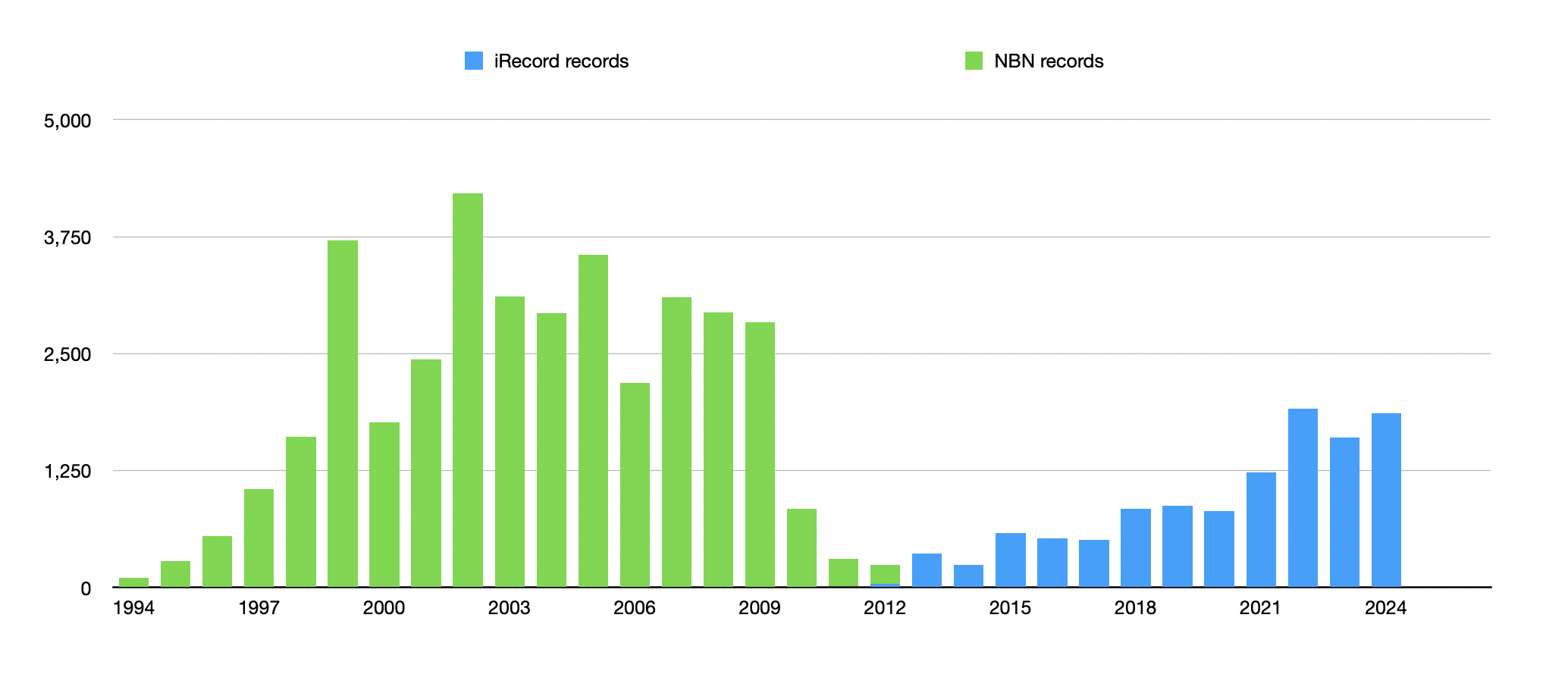
Input date – All Recording Scheme records 1994 to 2024
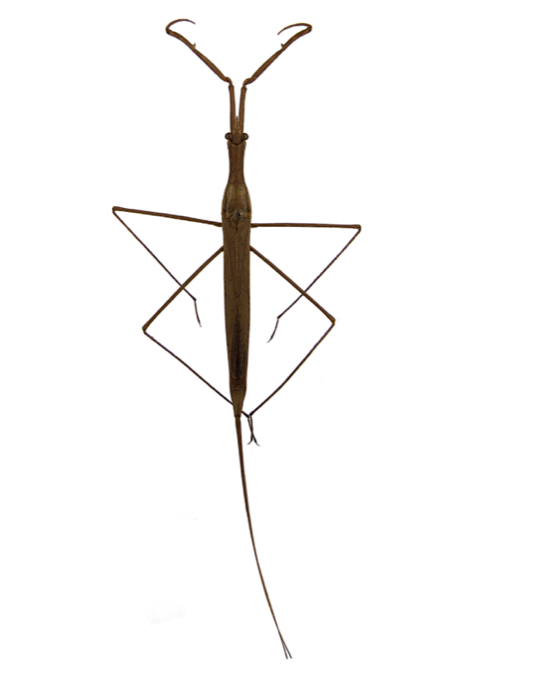
In 2022/23 Ranatra linearis moved into Scotland and this year we have had another 6 records to show that it is starting to consolidate in the borders but push further still.
There was also a report from Germany of a potential new species for Britain. Plea cryptica has been found across Europe including Belgium. It wasn’t found from the samples they looked at in the UK but it should be only a matter of time. You can see the id features here.
I have done a summary and a map (from iRecord) of the species for everyone where we had more than 10 records. I have ordered them alphabetically.

Aquarius najas
There were 37 records this year an increase for the last 4 years. In the 2003 there were only 85 records so this species seems to be recorded more frequently, perhaps because it is fairly easy to identify from photographs. It is not really changing is range though, mainly because it prefers the large rivers.

Aquarius paludum
There were 36 records this year of which the majority were within it’s range. Up to 2022 this was spreading North and Westwards but this has not been seen this year.
Callicorixa praeusta
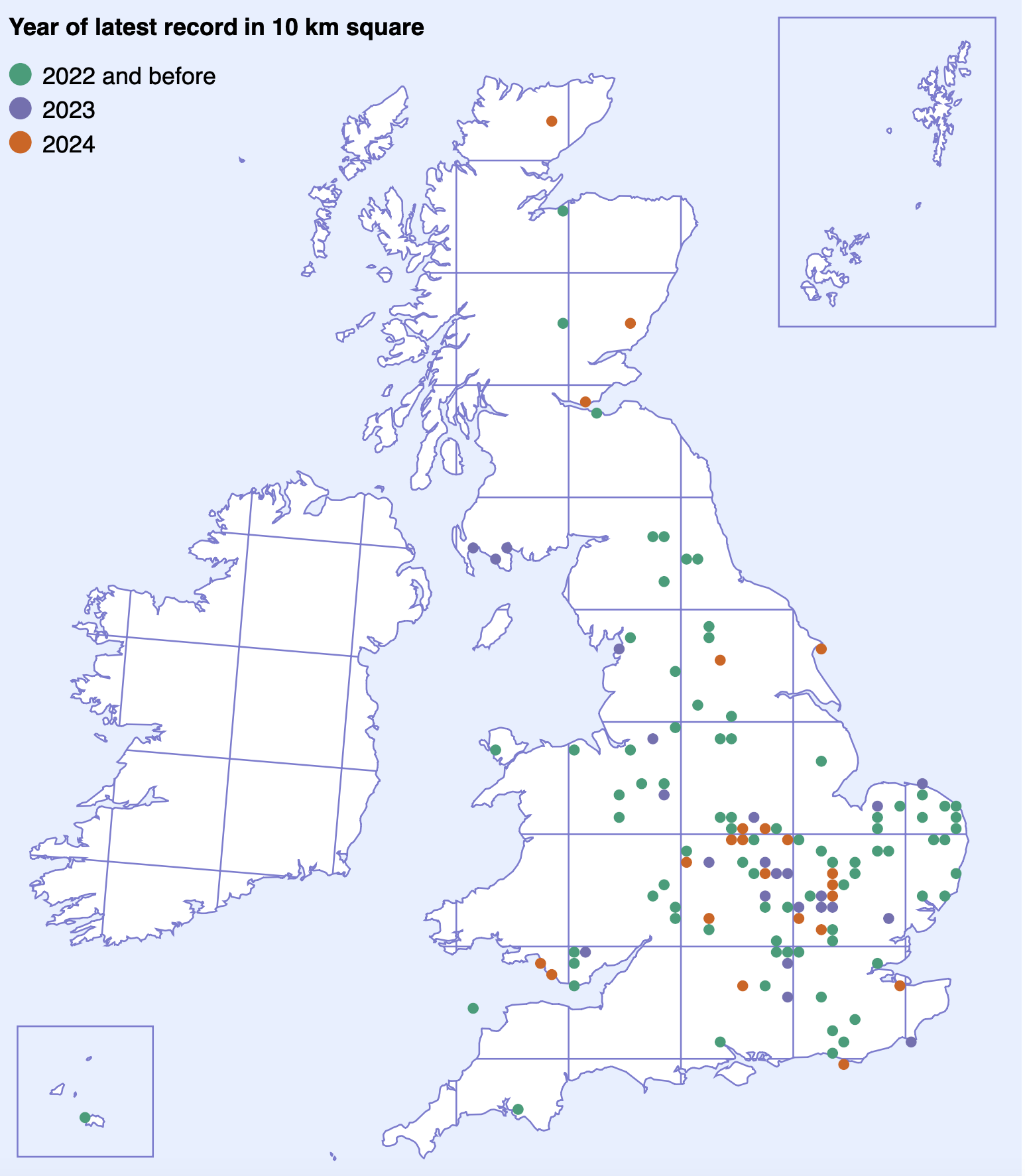
There were 41 records this year which was the same as last year. This is distributed across the UK. The more Northern record was due to a recording road trip in the Highlands this year where more records of Callicorixa wollastoni were found.

Chartoscirta cincta
There were 28 records this year which is less than has been recorded for the last 3 years. The distribution is within the current range.
Chartoscirta cocksii
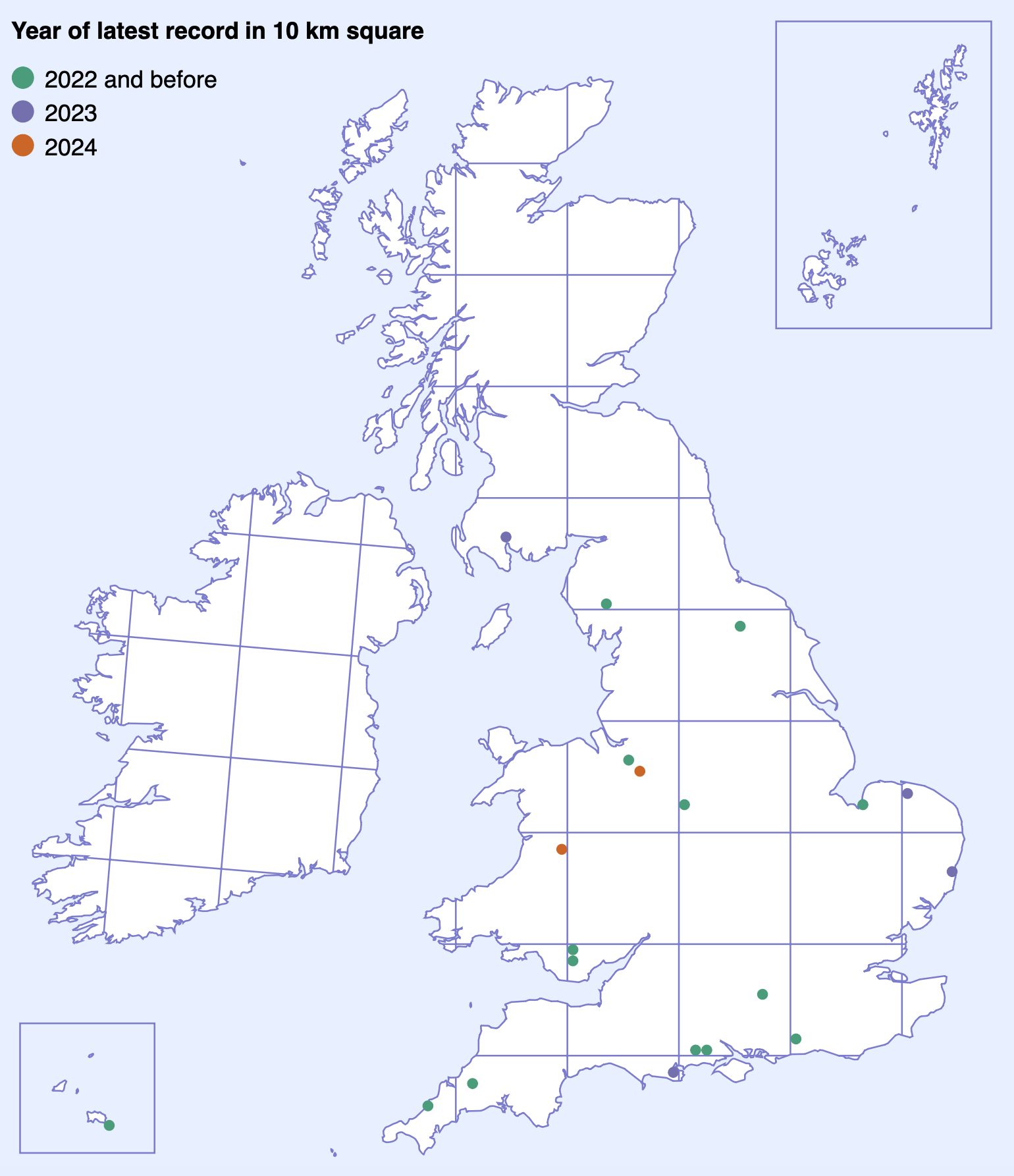
There were 11 records this year wich is half the number of the last three years and the records we had were in the same locations as previous records.
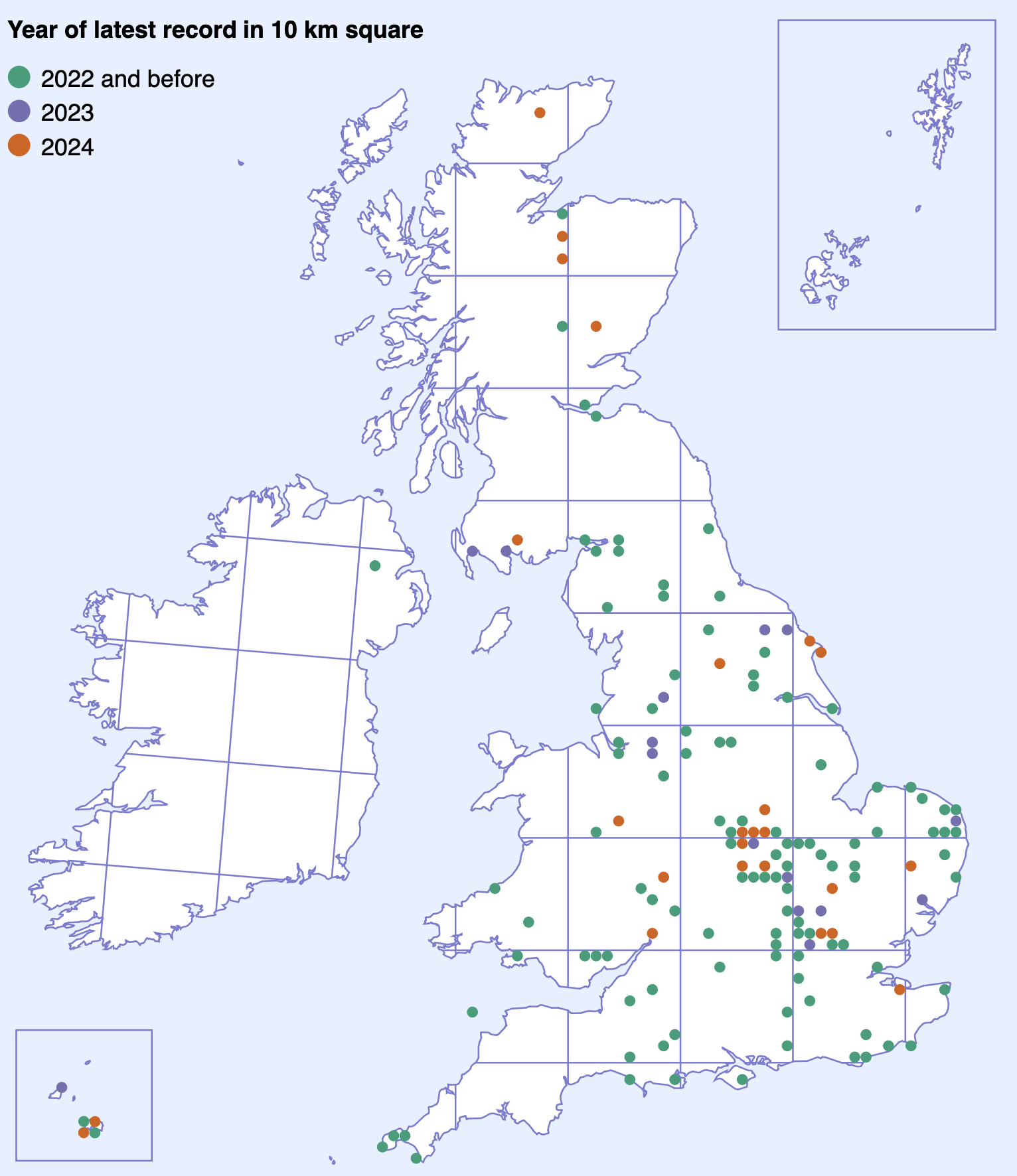
Corixa punctata
There were 39 records this year which is the most in one year on iRecord. There were a number of northerly records but this was because of a Highlands road trip. There are noticeably no records on the West coast even though we did record heavily in that area this year but found no records although we did find 2 Corixa iberica.

Cymatia coleoptera
There were 16 records this year, more than any other year on iRecord with the numbers building each year. This is very slowly spreading West and Northwards but all the records this year was in known range.

Cymatia rogenhoferi
This has only been recorded in the UK 16 times and we have had 3 records this year, both from Moth trappers. It was found in April but is found regularly now by John Pitts in a Bedfordshire moth trap after being found close by a number of years ago by Sheila Brooke and Bernard Nau. However it seems to be spreading albeit in very small numbers. We also had a record in August from Neil Fletcher in Bucks where it seems as though it could be spreading into the South west.
Last year David Nicholls found it in South Leicestershire – can’t believe i missed it in Northants! – theres a challenge for me! .
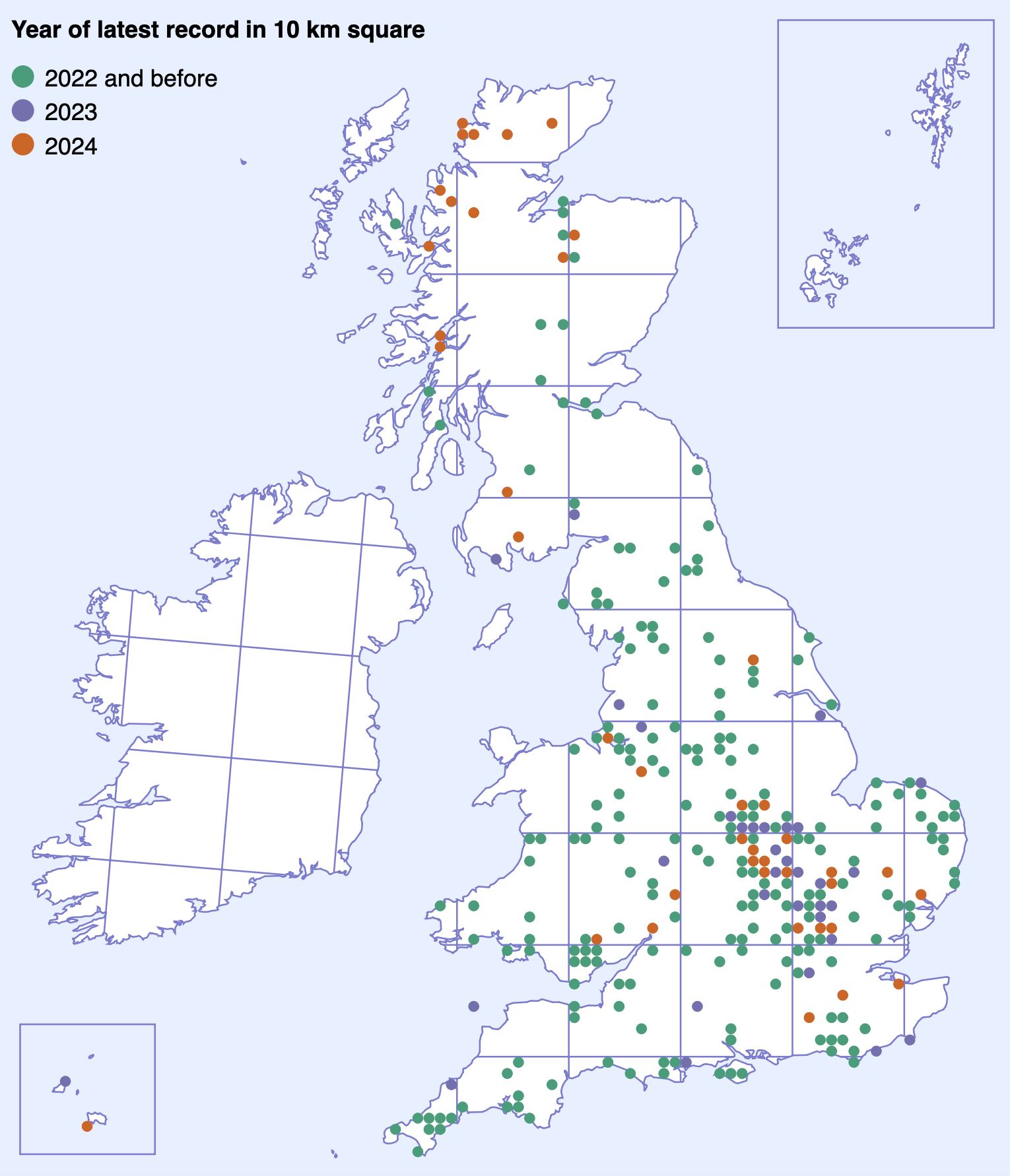
Gerris lacustris
There were 82 records this year and more records than any other year. The distribution is widespread across the UK.
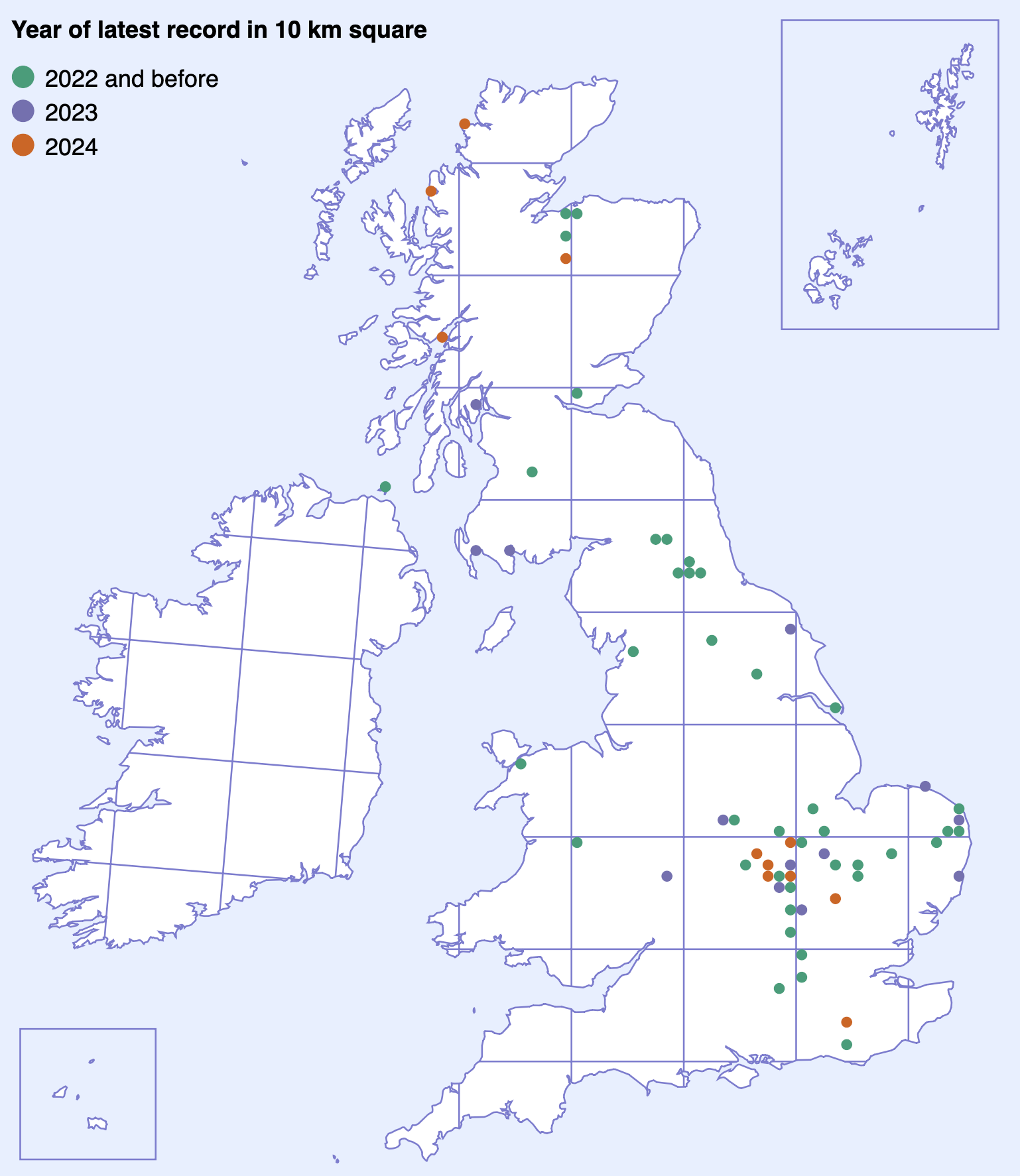
Gerris odontogaster
There were 21 records this year and the distribution shows more expert recording areas. I am surprised there are not more records as it is easier to identify than Gerris lacustris.
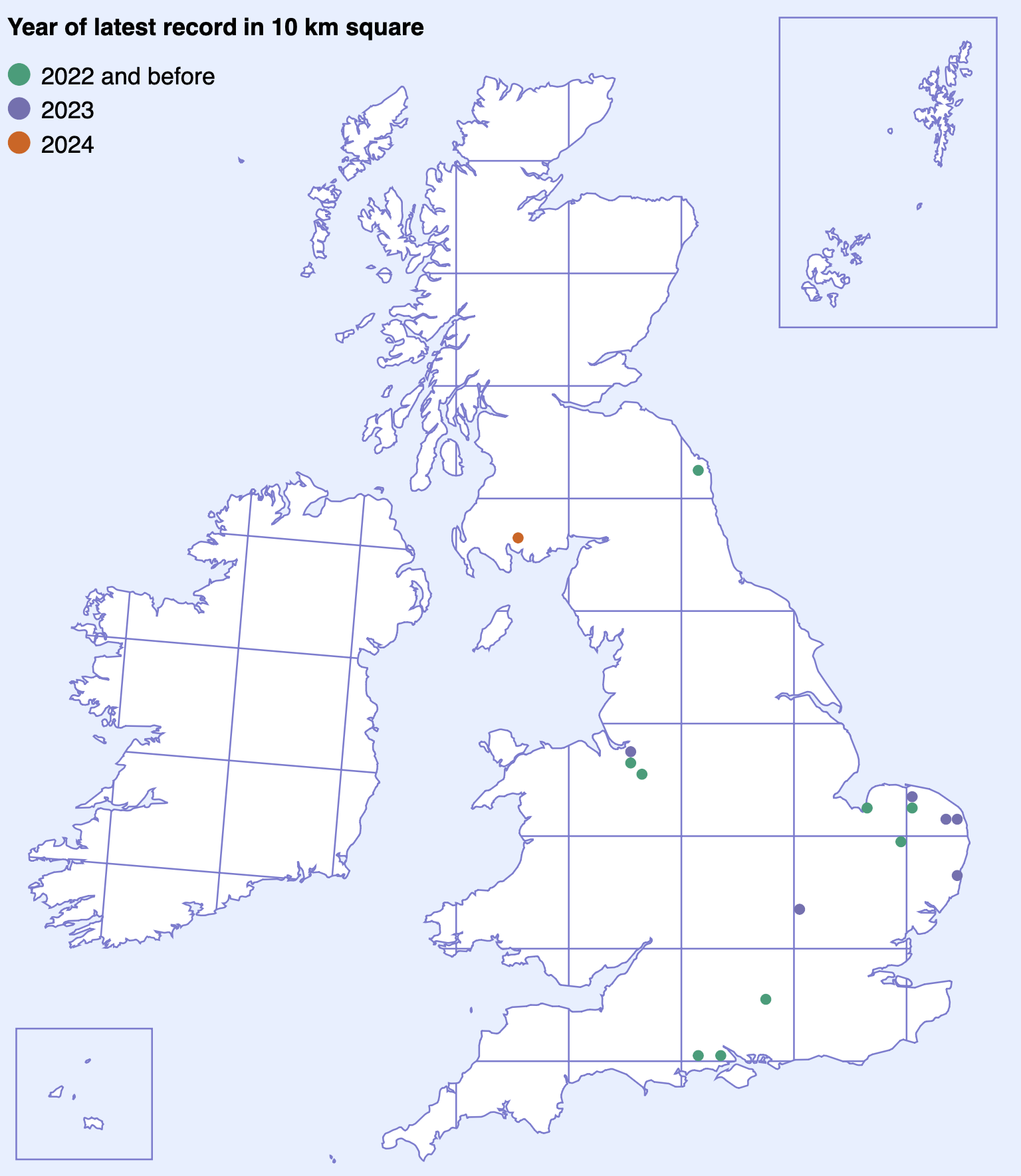
Hebrus ruficeps
There were 15 records this year which is the least in the last 5 years. These records were from mainly from sites that had been recorded before. It is the Sphagnum bug but surprisingly more records this year were from Norfolk and cheshire, perhaps where there was more recording.

Hesperocorixa castanea
There were 15 records this year and almost all came from a the Highlands road trip. It doesn’t change the distribution but it does fill in a few new squares.
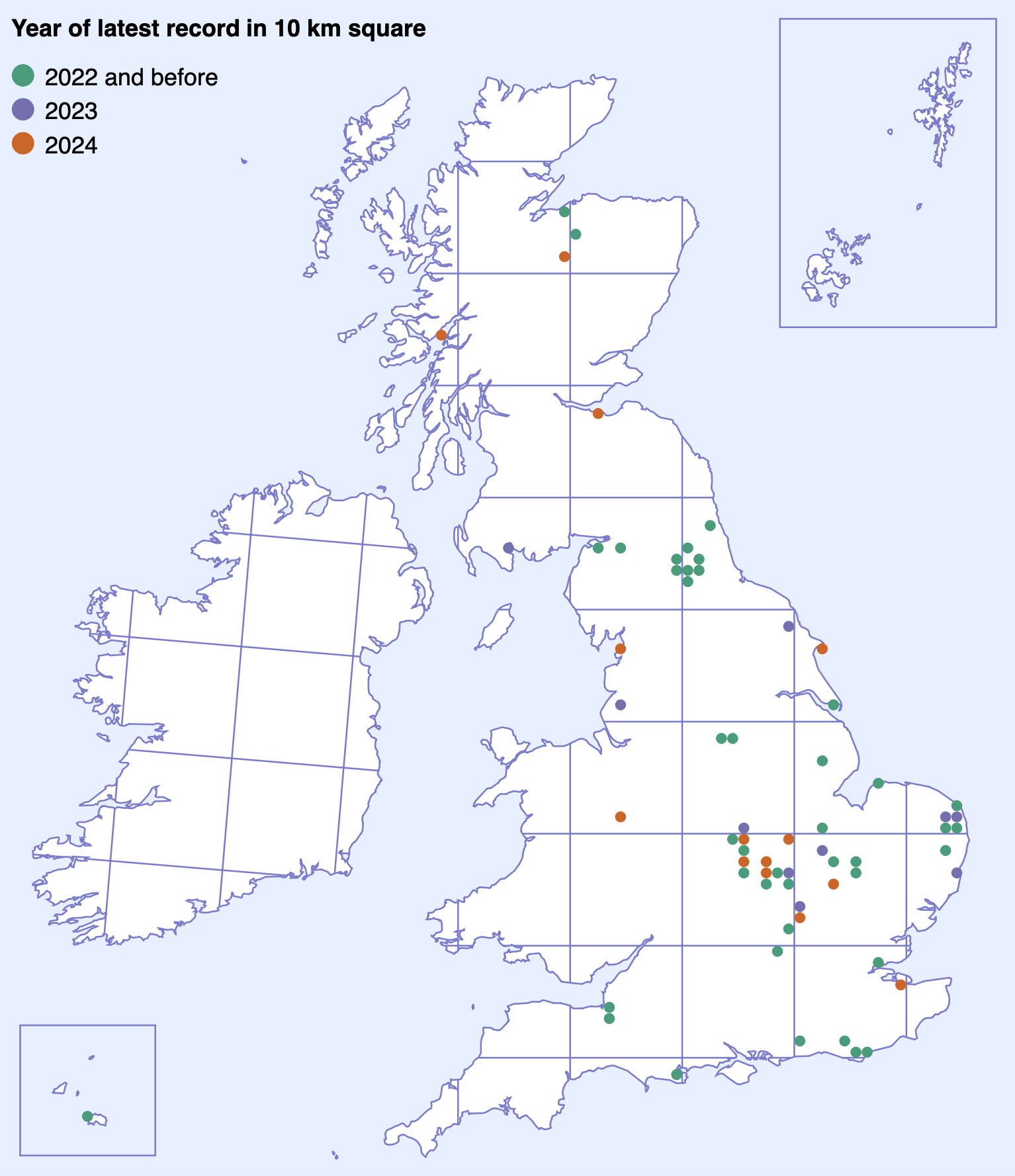
Hesperocorixa linnaei
There were 29 records this year a similar number to the past two years. A few more in the midlands filling in the distribution map.

Hesperocorixa sahlbergi
There were 54 records this year more than any other year on iRecord. This is all over the UK so the records do not affect the range.

Hydrometra stagnorum
There were 106 records this year which was the third highest recorded and with records increasing every year since 2011. This is slowly spreading Northwards and there were 3 more Scottish records this year pushing it’s range further North.

Ilyocoris cimicoides
There were 93 records this year a few less than last year. This still seems to be making its way West and North and has recently found it’s way over to Lundy Island and also it is making it’s way in Scotland.

Microvelia reticulata
There were 16 records this year less than the last 2 years. However the northern record from moray is near the top of it’s range.
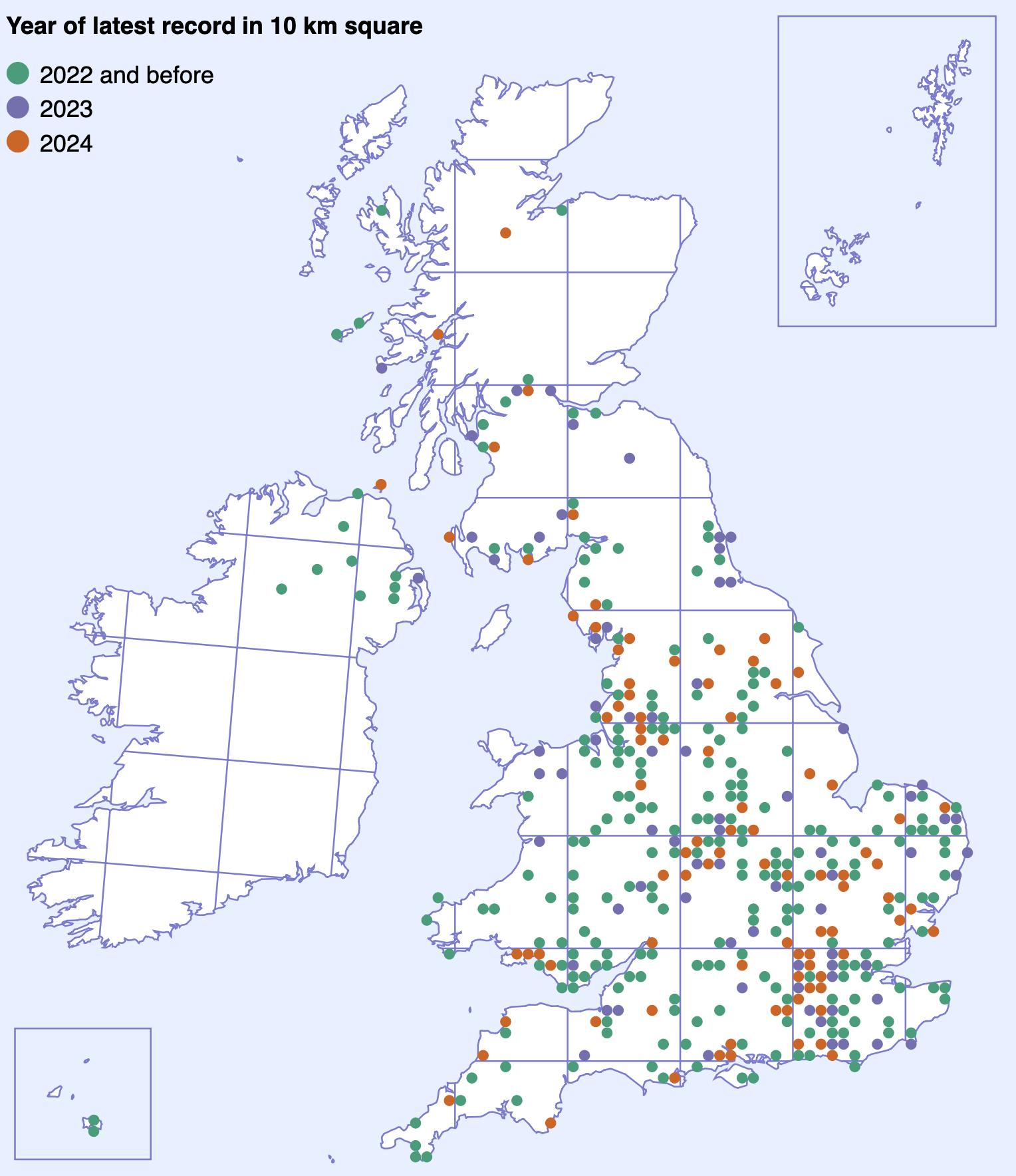
Nepa cinerea
This bug is easily identifiable to lends itself to be well recorded on iRecord with 146 records this year. They were well spread across the country in-line with it’s distribution and even a few records in the Highlands.

Notonecta glauca
This was the most recorded water bug in 2024 with 165 records. It is ubiquitous across the UK so this map is perhaps showing a view more of recorder effort than it is true distribution. It seems to be increasing too as we convert more family level into species level recording as more people understand that they need to look or take a photo on it’s back to identify rather than the underside.

Notonecta maculata
Of the 25 records this year 3 have shown a range extension into Scotland. Bob Merritt found one near Domore viaduct in the Borders and advised it was the 4th in Dumfries and Galloway, the first being in 2018. It appears to have continued to move north as Rachel Mackay-Austin recorded one all the way up in Angus in a quarry pond this year.

Notonecta obliqua
There were 20 records this year mostly in Highlands which is it’s ideal habitat.
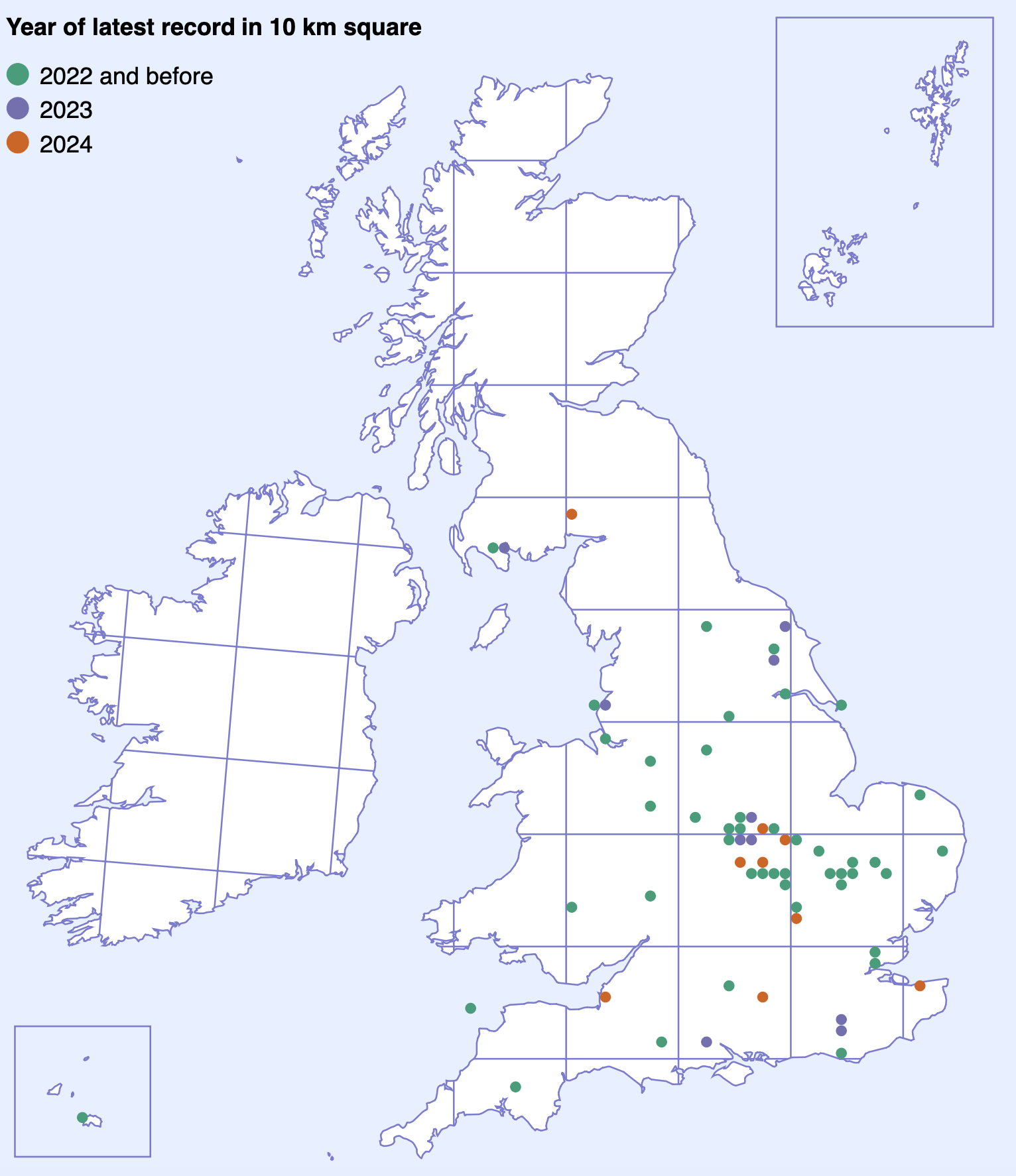
Notonecta viridis
There were 12 records this year. The last two years we have had records expanding it’s range into Scotland but this year we only had one record from Dumfriesshire, the others were all from within it’s normal range
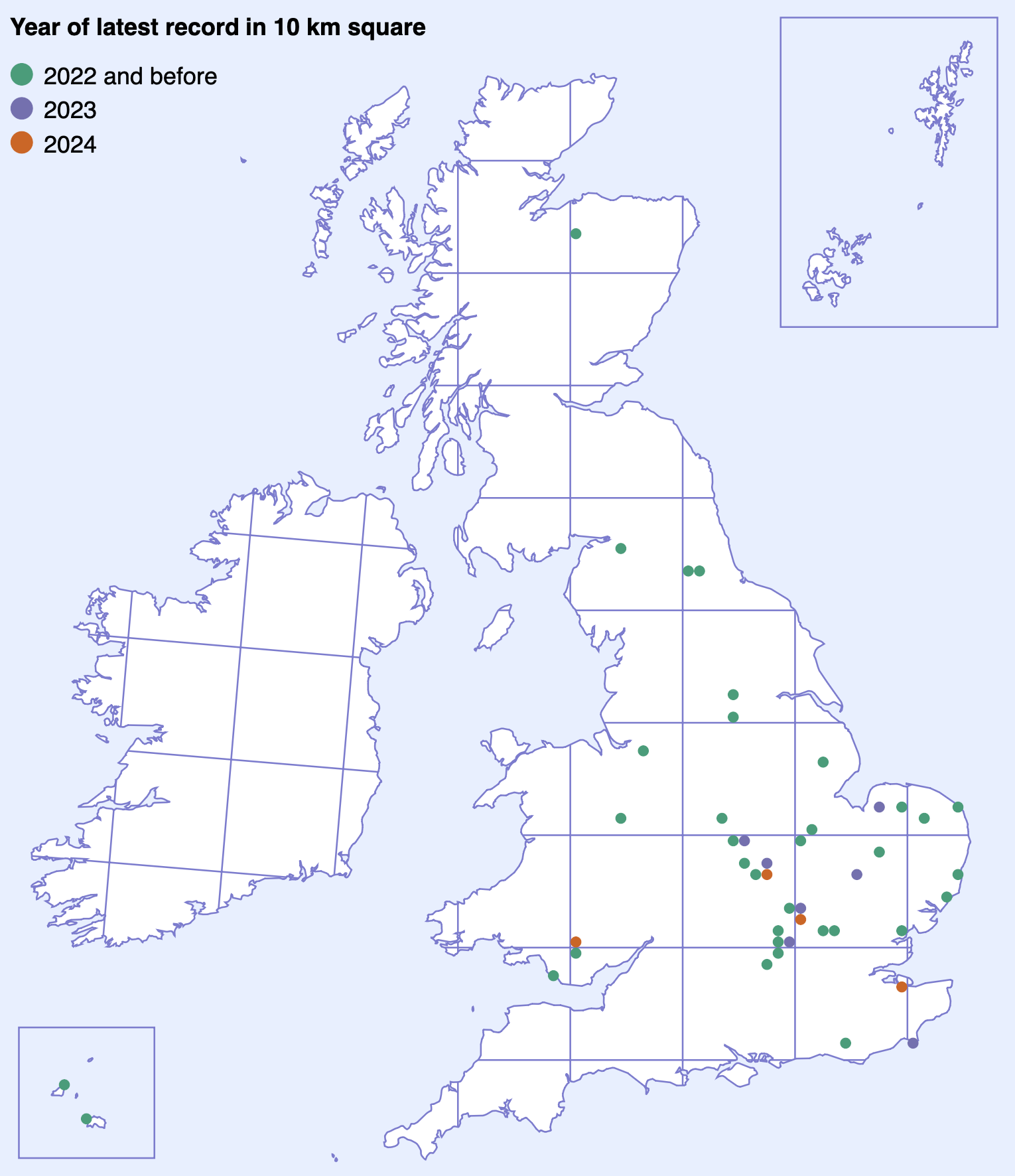
Paracorixa concinna
There were 11 records this year which is similar to the last 6 years. They were all with the normal range.
Plea minutissima
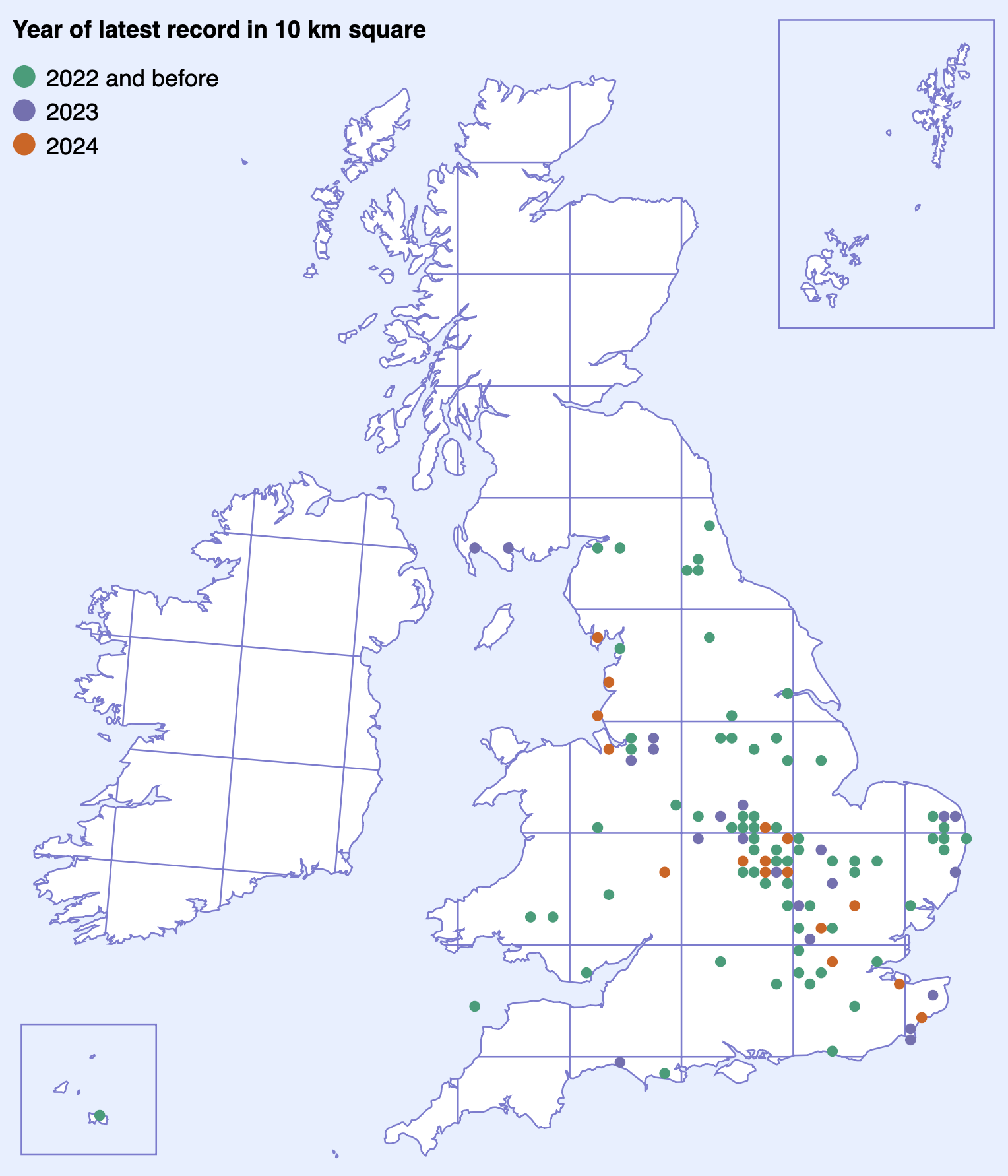
This species is easily identifiable and there were 46 records this year. There has been a new species (Plea cryptica) descibed this year from Europe that looks very similar. It is not in the UK yet but i am sure it won’t be long and this will make the species records difficult to identify.

Ranatra linearis
69 records this year and another 4 records from Dumfries or Kirkudbrightshire this year from Malcolm Haddow, Suzannah Burgess, Jim Logan and David Clarke. This shows a real consolidation of sites in Scotland now. There were also a number of records from Wales including a record by Nathan Jackson from Penrhyndeudraeth near the west coast
Salda littoralis
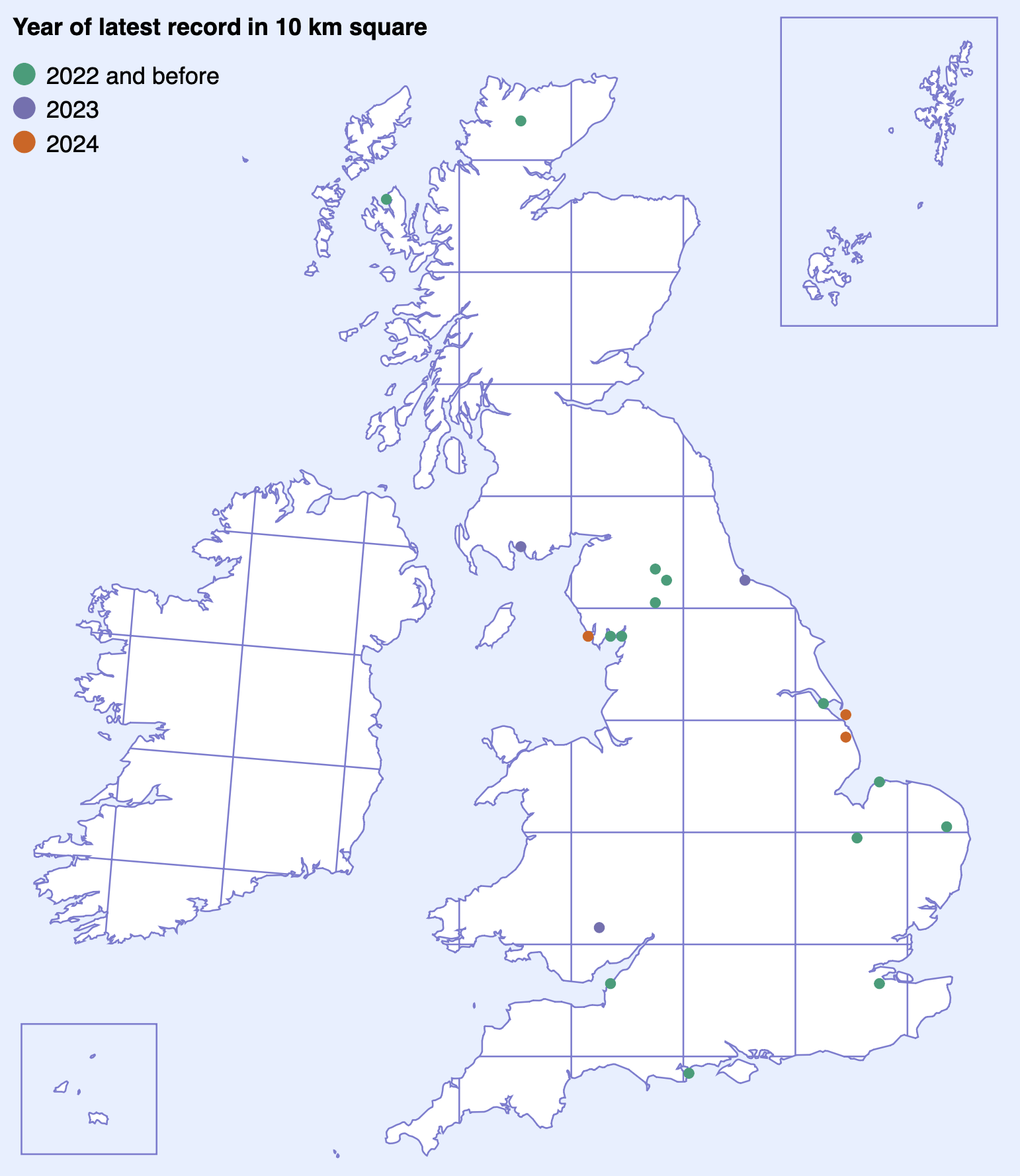
There were 10 records this year with 5 of them from The Tees estuary where they were found in pitfall traps. The others were also along the coast in Westmoreland, North Lincs and studland.
Saldula pallipes
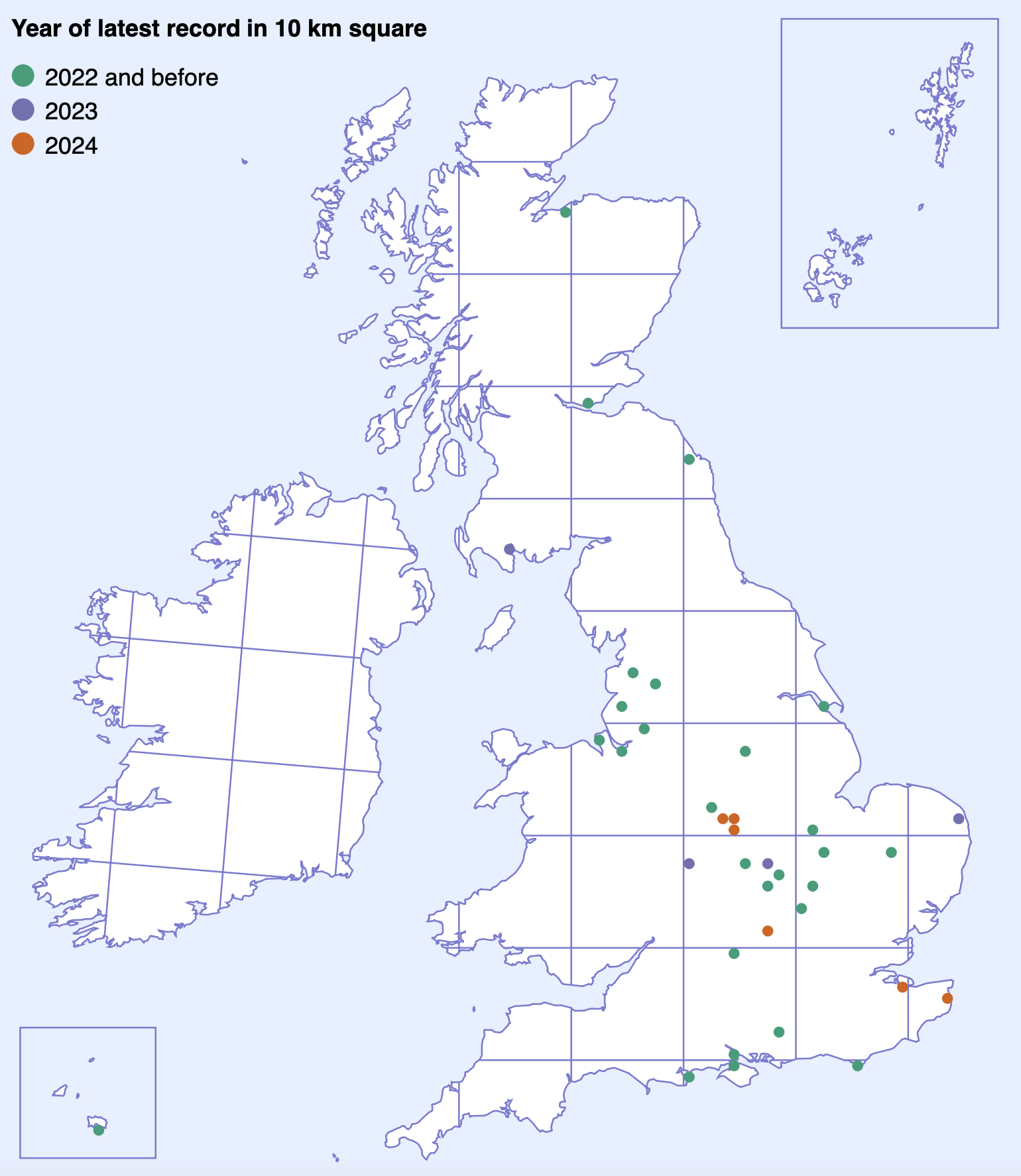
This year there were 13 records. There were 3 records from Leicestershire and some nice records from East Kent including a very easterly one.
Saldula saltatoria
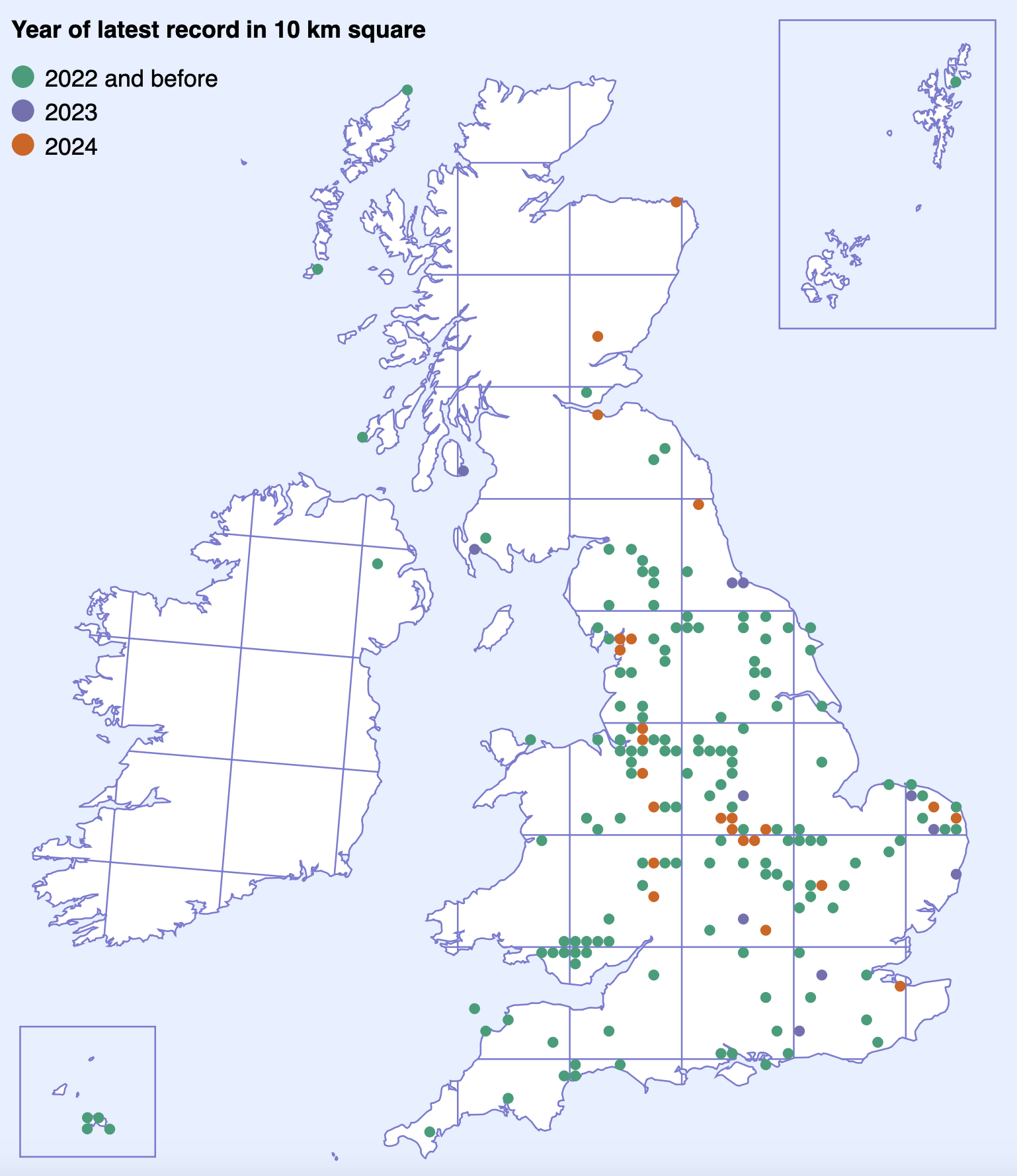
This is the commonest Saldula and we had 52 records this year which is similar to the last 8 years.
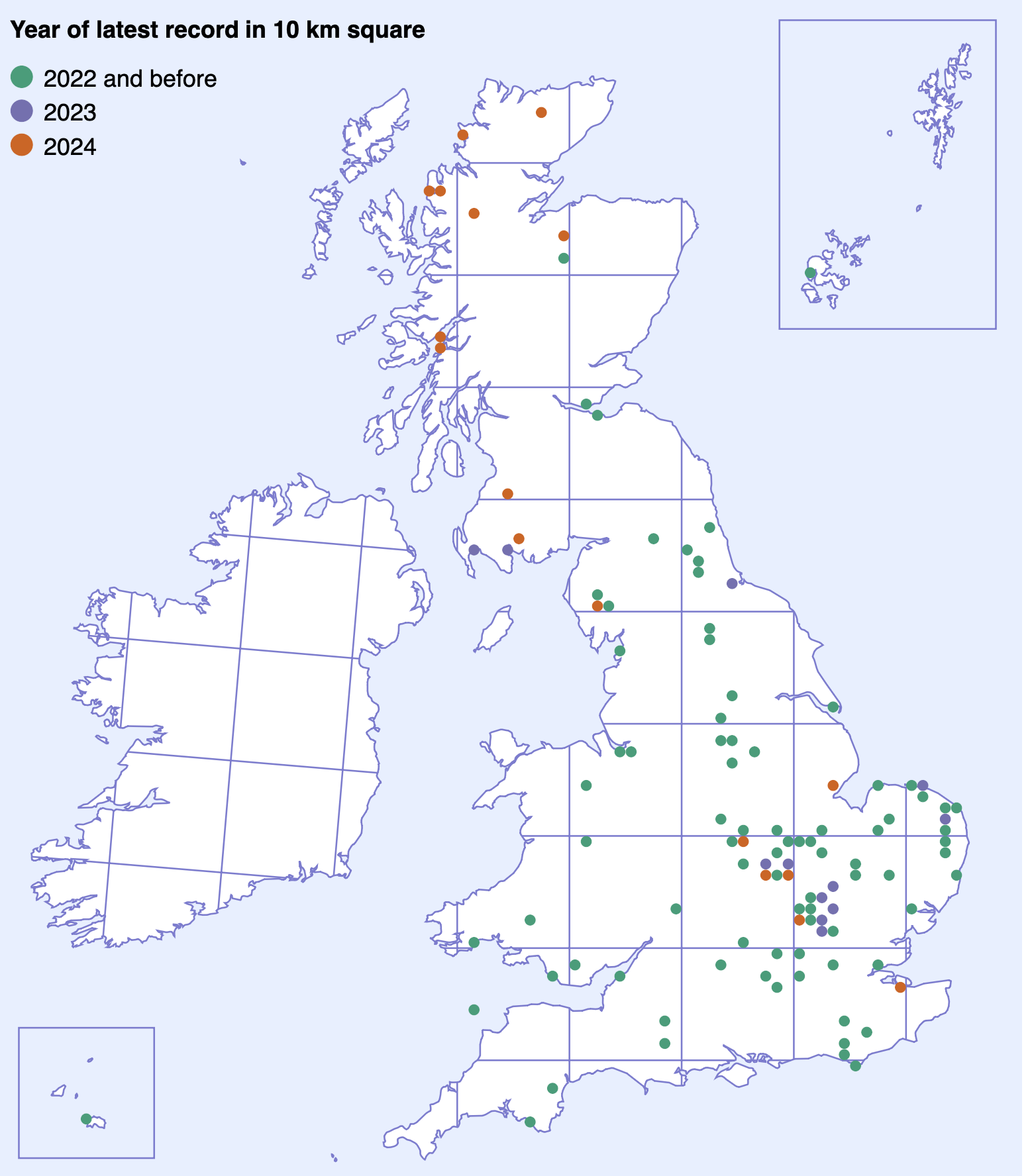
Sigara dorsalis
There were 28 records this year which is more than we have had before. Thirteen of those were from the West Coast and Highlands of Scotland where historically there haven’t been many records.
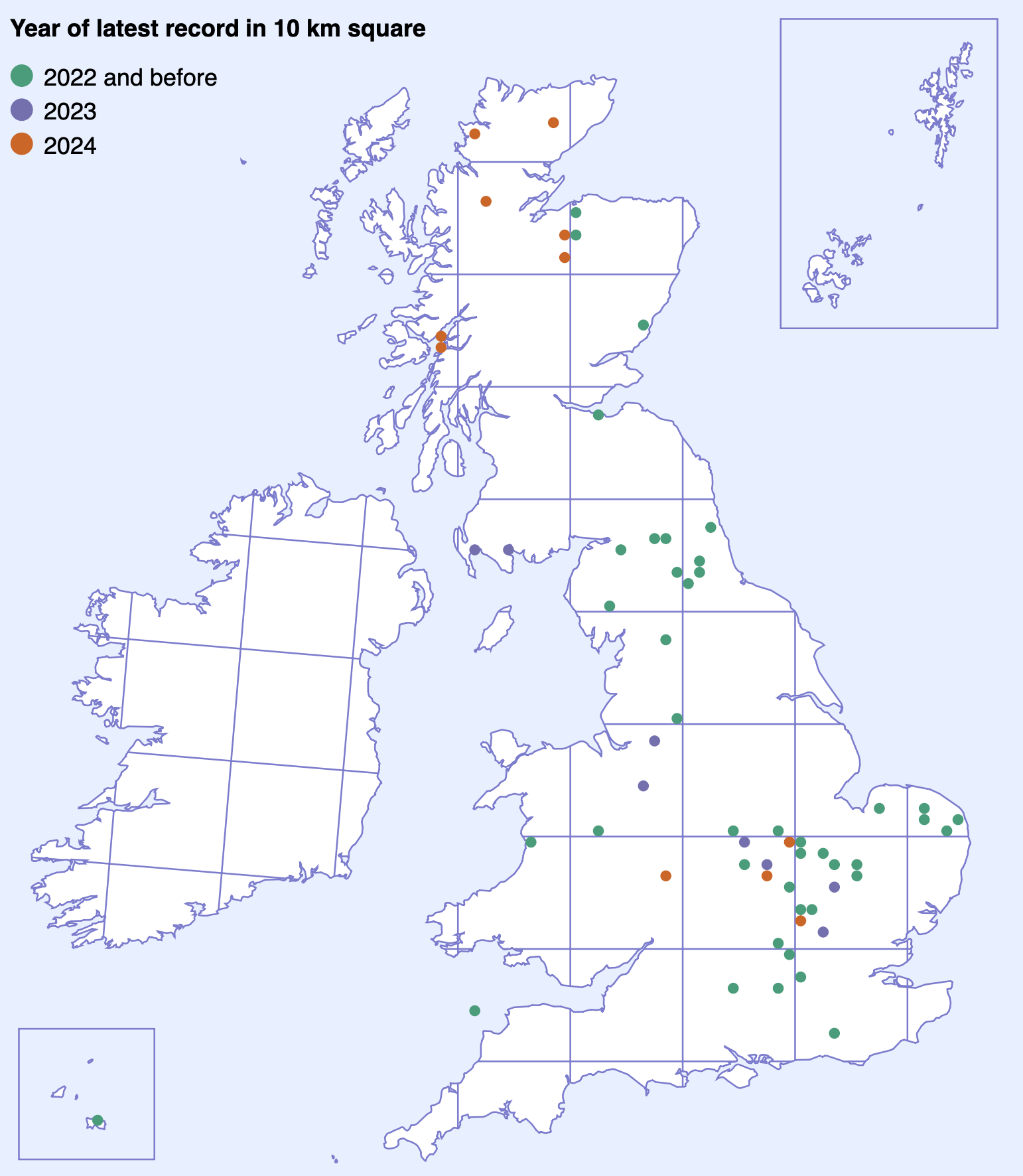
Sigara distincta
This year there were 14 records. Eight of these were from the Highlands road trip that added extra sites to the map and 3 from Northamptonshire.
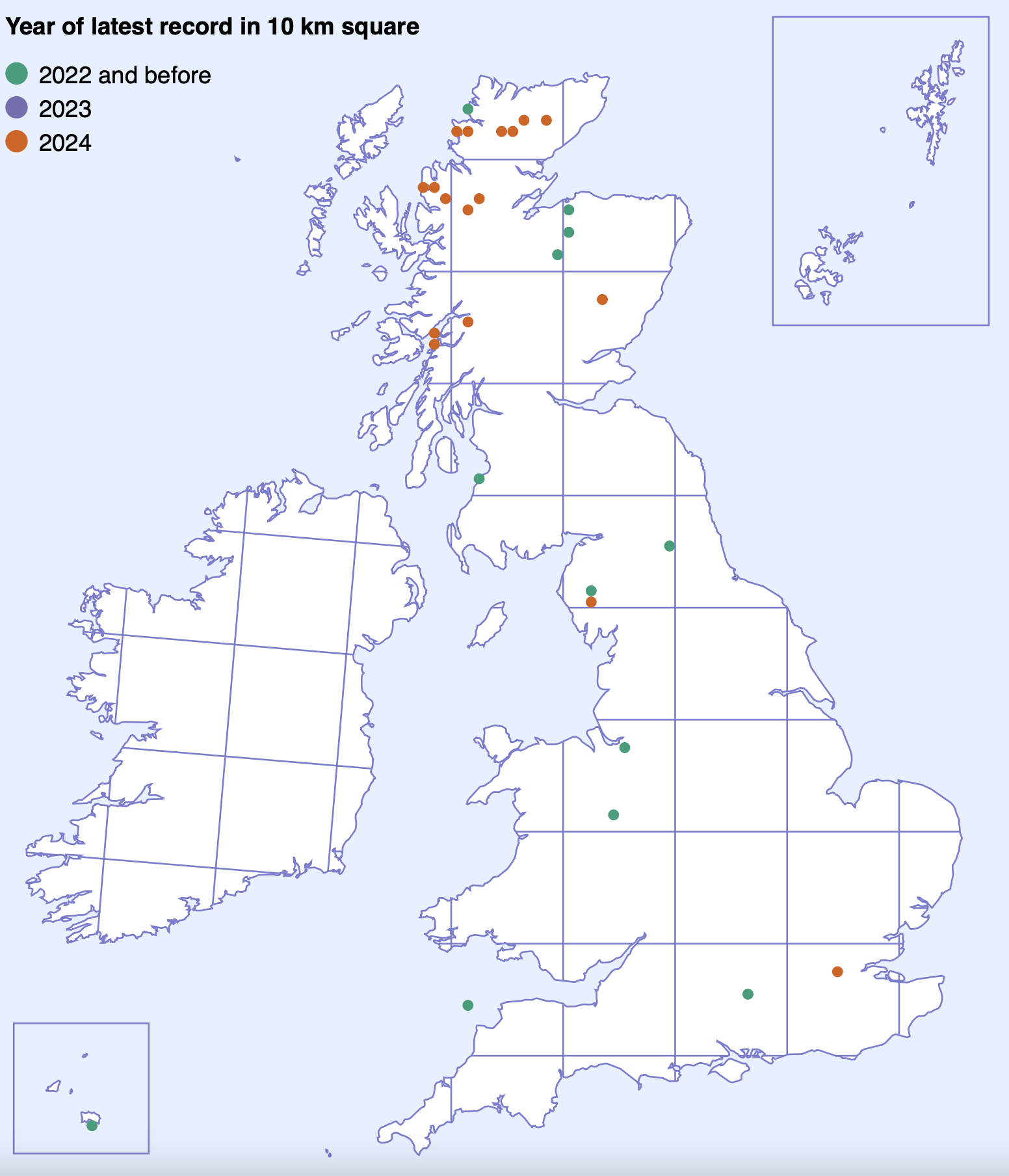
Sigara scotti
There were 27 records this year of which 22 came from the highlands road trip where it was found in most locations dipped. There were 3 records from the Channel Islands and also a record from East Kent. Although generally found in upland acidic waters they can be found in Southern relict habitat.

Sigara lateralis
There were 32 records this year wich is similar to the last 7 years. 11 records were from East Kent and 3 from Northamptonshire.
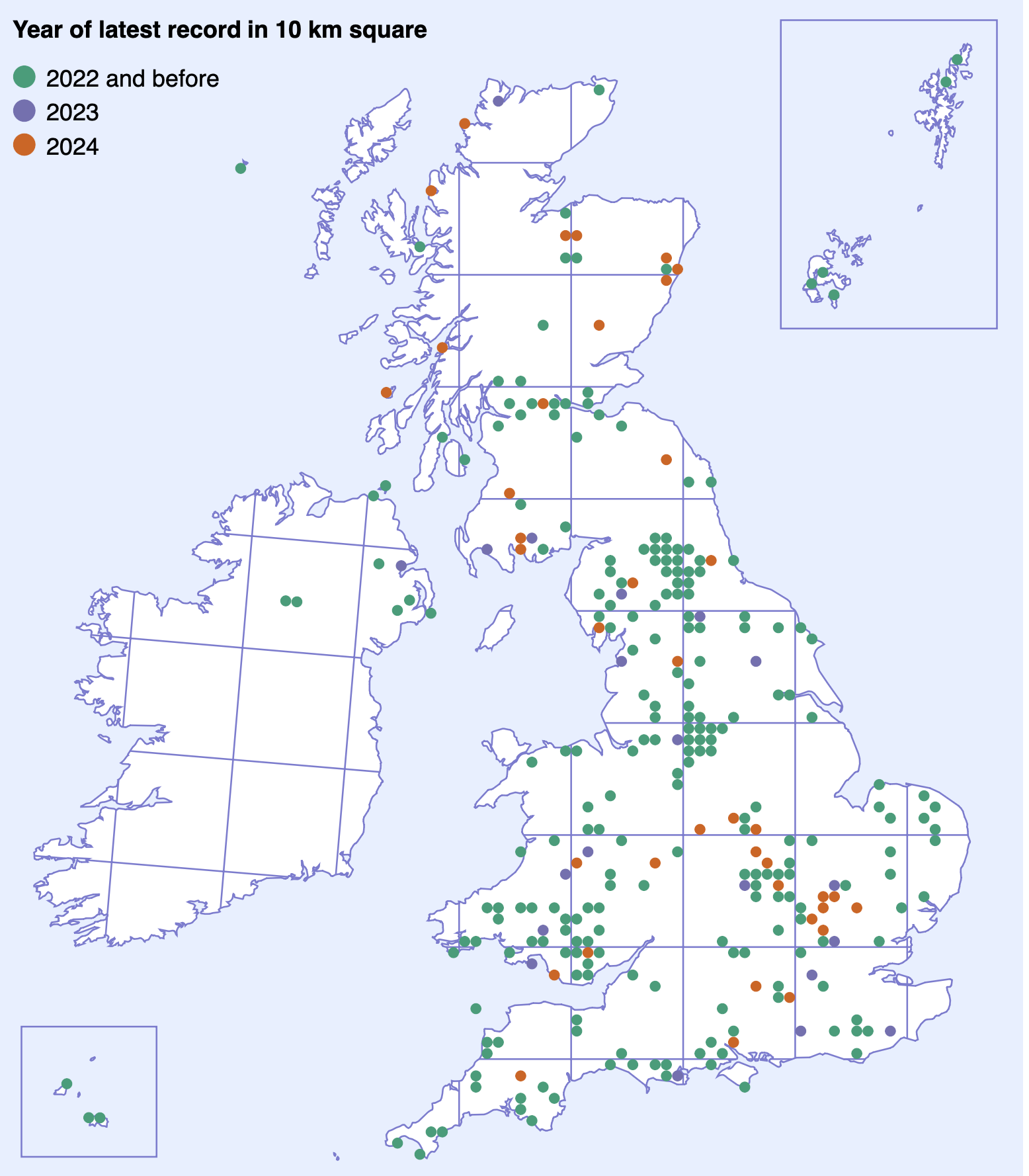
Velia caprai
There were 52 records this year. This has been recorded consistently across the UK for the last 10 years on iRecord. This year there were a good number of records from all across Scotland.
 Aquatic Bugs